

06 Jan 2026
Tropical ecosystem shifts at the Eocene–Oligocene transition in the southwestern Caribbean region
J. Micropalaeontol., 45, 1–25, 2026
08 Jan 2026
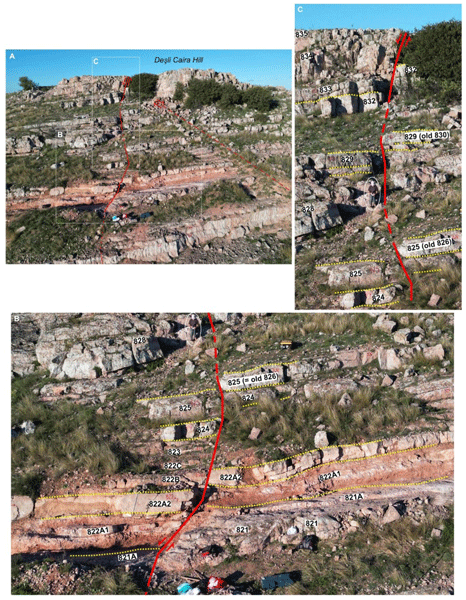
Comment on “Detailed conodont data from the Olenekian–Anisian boundary interval of the GSSP candidate section at Deşli Caira, Romania” by Golding (2025)
J. Micropalaeontol., 45, 27–31, 2026
09 Jan 2026
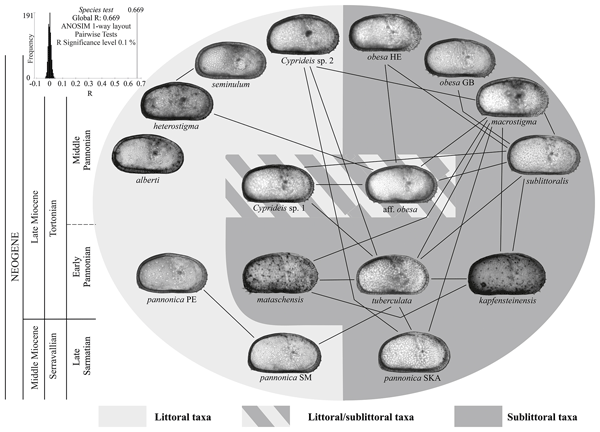
Morphometric divergence in Cyprideis (Ostracoda) during the Middle and Late Miocene of the Central Paratethys realm
J. Micropalaeontol., 45, 33–50, 2026

15 Jan 2026
Seasonal dynamics of mudflat foraminifera linked to diatom species and traits
J. Micropalaeontol., 45, 51–72, 2026
26 Jan 2026
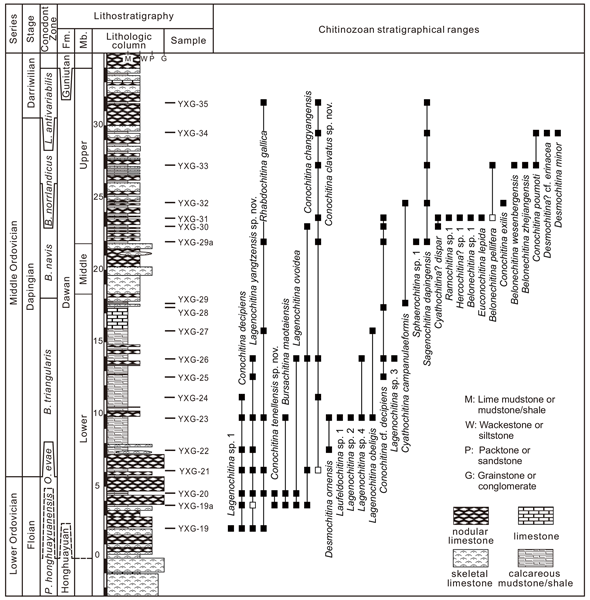
Early–Middle Ordovician chitinozoans from the Dawan Formation, Yichang area, Central China
J. Micropalaeontol., 45, 73–93, 2026
26 Jan 2026
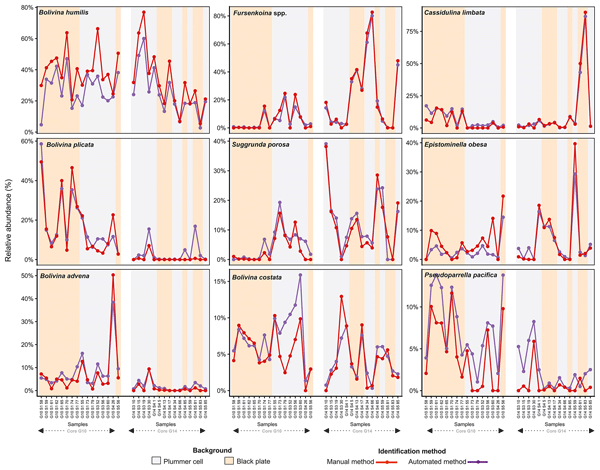
Automated identification of fossil benthic foraminifera from the Peruvian margin using convolutional neural networks
J. Micropalaeontol., 45, 95–116, 2026
30 Jan 2026
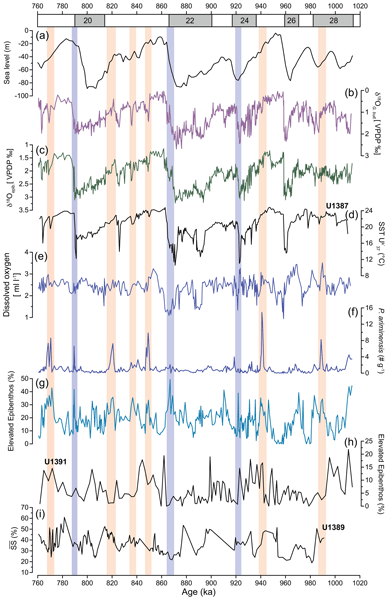
Environmental changes at the seafloor of the Faro drift (Gulf of Cadiz) during the transition from the Early to the Middle Pleistocene
J. Micropalaeontol., 45, 117–145, 2026

11 Feb 2026
Developing a new species-level database of Cretaceous calcareous nannoplankton occurrences – Uneptune
J. Micropalaeontol., 45, 147–157, 2026

09 Mar 2026
Early Eocene evolutionary trajectories within the Toweius genus: insights from a newly identified species in the equatorial Atlantic
J. Micropalaeontol., 45, 159–175, 2026
16 Mar 2026
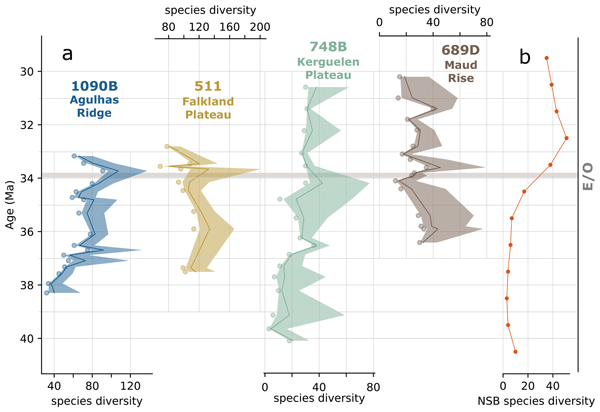
Unraveling Southern Ocean diatom diversity across the Eocene–Oligocene transition
J. Micropalaeontol., 45, 177–194, 2026
24 Mar 2026
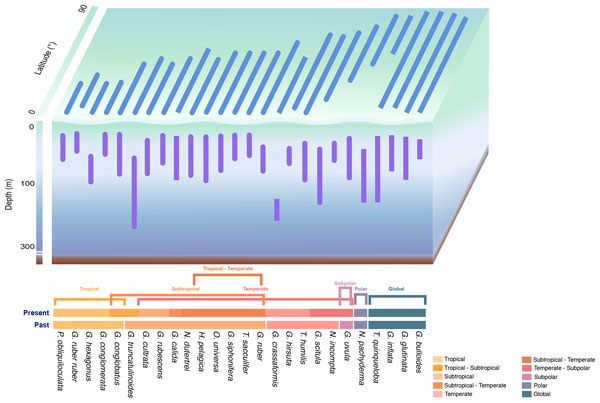
Reassessment of the global distribution and diversity of modern planktonic foraminifera from the FORCIS database
J. Micropalaeontol., 45, 195–217, 2026
02 Apr 2026
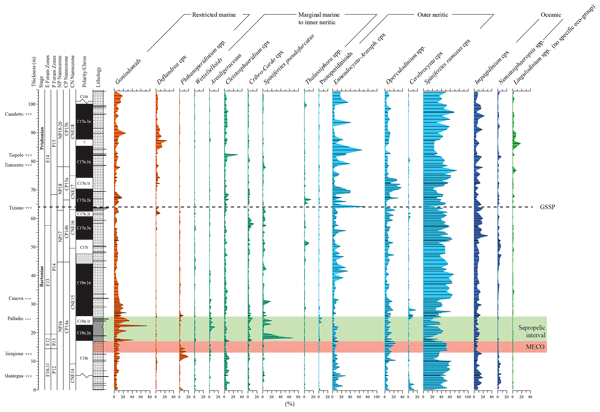
Marine palynology of the Alano di Piave Bartonian–Priabonian Global Stratotype Section and Point, NE Italy
J. Micropalaeontol., 45, 219–257, 2026
13 Apr 2026
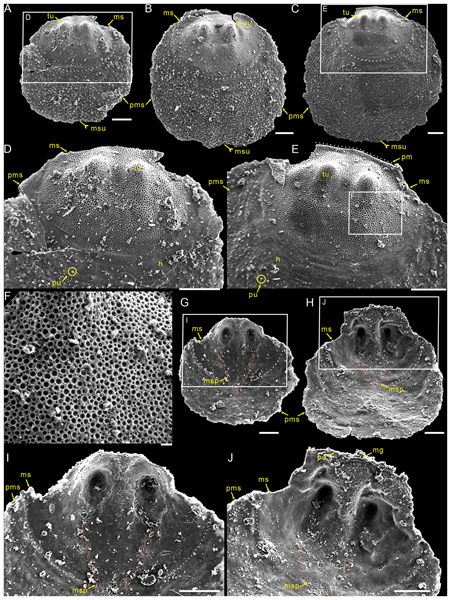
New material of Schizopholis (family Botsfordiidae) from the Tsinghsutung Formation (Cambrian Series 2, Stage 4) in Songtao County, Guizhou Province, South China
J. Micropalaeontol., 45, 259–273, 2026
14 Apr 2026
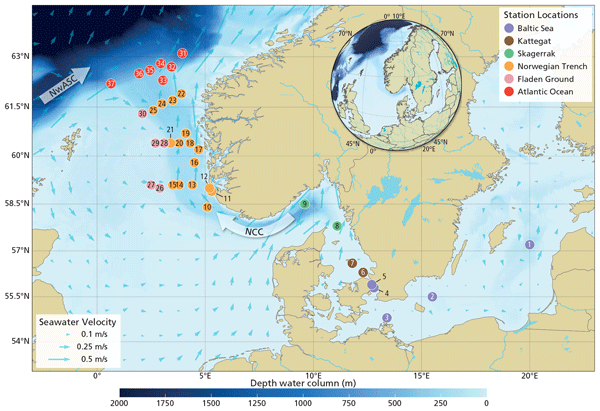
Dinoflagellate cysts as indicators of primary productivity along a Baltic Sea–North Sea–Atlantic transect
J. Micropalaeontol., 45, 275–295, 2026
15 Apr 2026
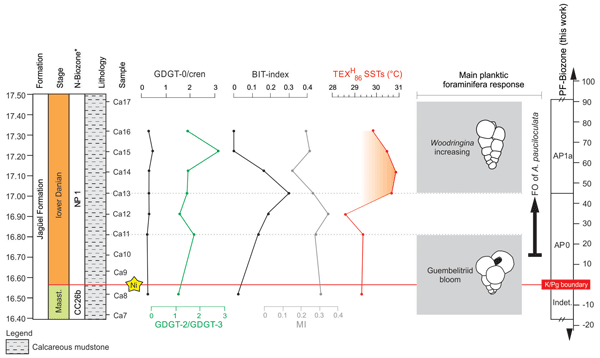
Planktic foraminiferal distribution across the Cretaceous–Paleogene (K–Pg) boundary from the Neuquén Basin (Cerro Azul section): biostratigraphy and paleoenvironmental significance
J. Micropalaeontol., 45, 297–308, 2026
06 May 2026
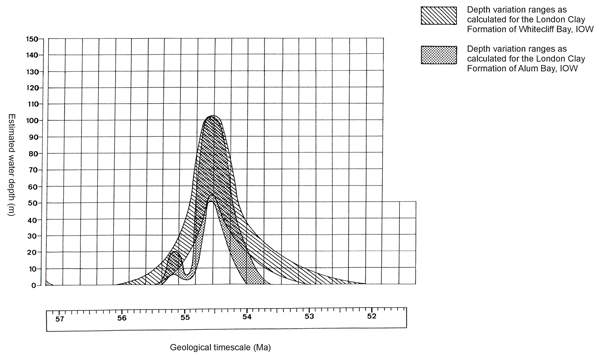
Can the distribution of foraminifera locate the Early Eocene Climatic Optimum (EECO) and Middle Eocene Climatic Optimum (MECO) events in the Eocene succession of the Isle of Wight (UK)?
J. Micropalaeontol., 45, 315–334, 2026
13 May 2026
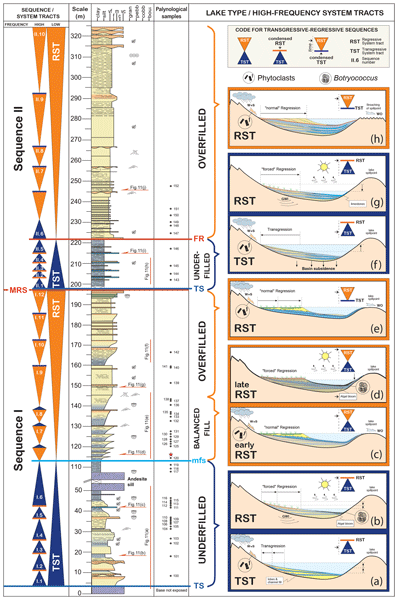
Palynofacies and lacustrine sequence stratigraphy: a case example from the Jurassic Cañadón Asfalto Formation, Cañadón Asfalto Basin, Extra-Andean Patagonia, Argentina
J. Micropalaeontol., 45, 335–357, 2026
18 May 2026
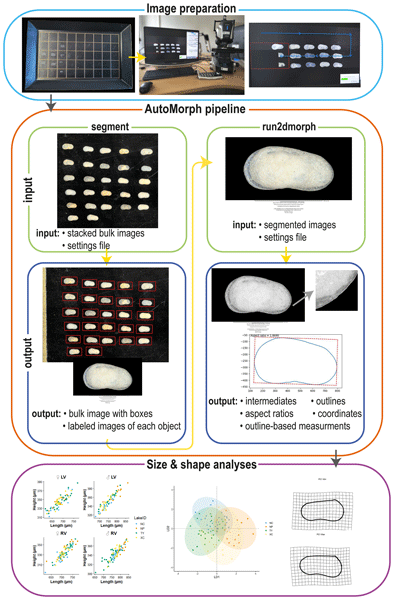
Testing the applicability of automated size and shape analyses in non-marine ostracods – a case study from the Tibetan Plateau
J. Micropalaeontol., 45, 359–375, 2026
18 May 2026
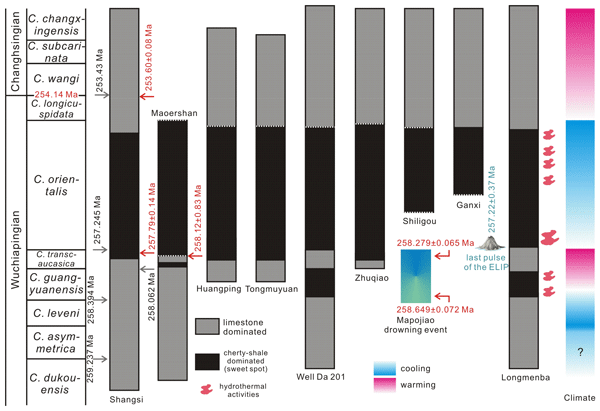
Latest Guadalupian to Lopingian conodonts from western Hubei–eastern Chongqing, South China
J. Micropalaeontol., 45, 377–403, 2026
19 May 2026
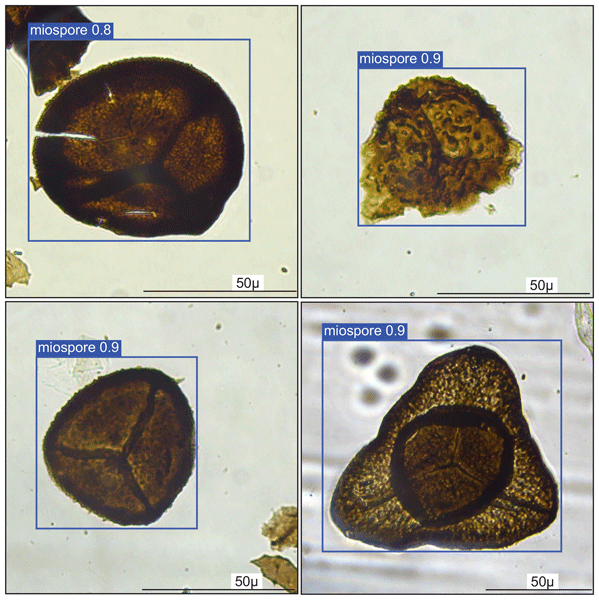
Artificial intelligence applied to the automated detection and identification of Devonian miospores
J. Micropalaeontol., 45, 405–413, 2026
03 Jun 2026
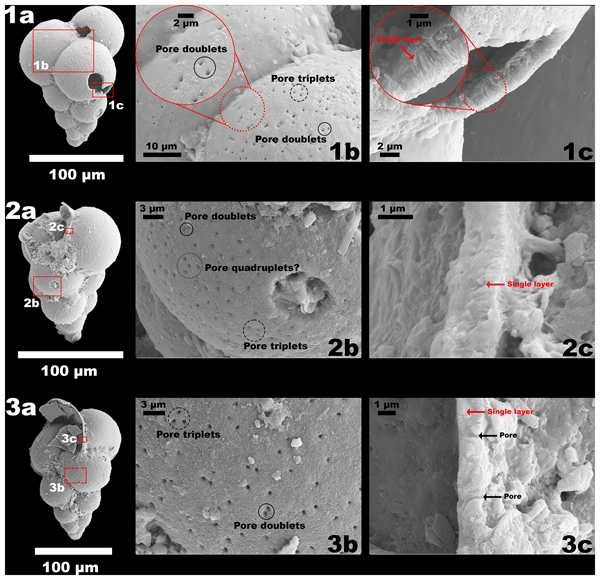
First report of modern planktonic foraminifera in the southeastern Arabian Gulf, with observations on the morphology and ecology of Neogallitellia vivans (Cushman)
J. Micropalaeontol., 45, 415–427, 2026
03 Jun 2026
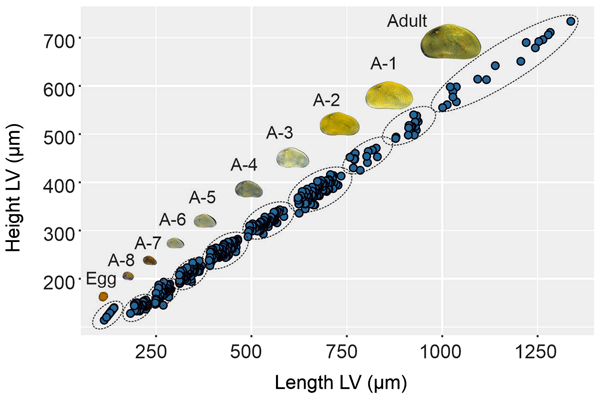
Ontogenetic growth of three cultured species of Heterocypris Claus, 1892 (Crustacea: Ostracoda): eggs and valve morphology
J. Micropalaeontol., 45, 429–453, 2026
05 Jun 2026
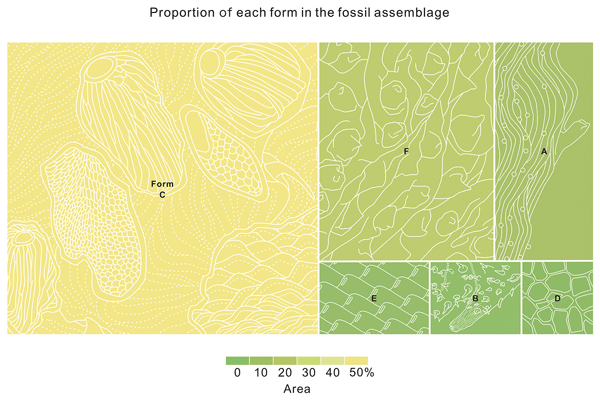
Cuticular microfragments from the lower Cambrian Yanjiahe Formation, China: insights into ecdysozoan biodiversity at the dawn of animal radiation
J. Micropalaeontol., 45, 455–474, 2026
16 Jun 2026
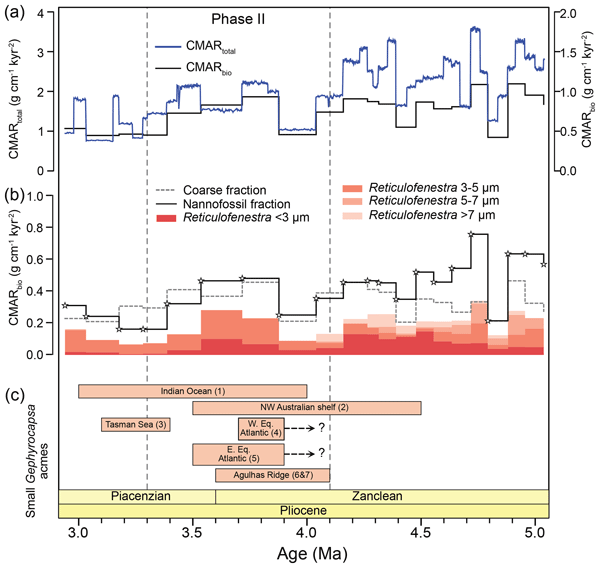
Coccolithophore signatures across the termination of the late Miocene to early Pliocene biogenic bloom in the Atlantic and Indian oceans
J. Micropalaeontol., 45, 475–486, 2026
30 Jun 2026
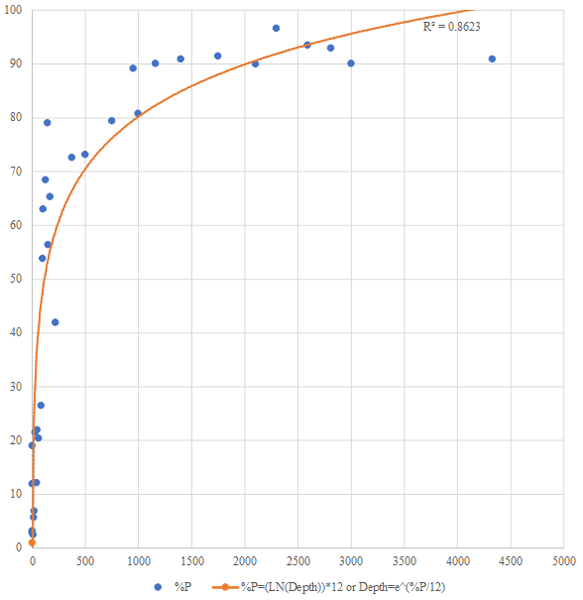
Benthic foraminiferal assemblages as proxies for paleoenvironmental indicators in the Indo-Pacific (Indonesia)
J. Micropalaeontol., 45, 487–512, 2026