
Articles | Volume 45, issue 2
https://doi.org/10.5194/jm-45-679-2026
© Author(s) 2026. This work is distributed under
the Creative Commons Attribution 4.0 License.
the Creative Commons Attribution 4.0 License.
https://doi.org/10.5194/jm-45-679-2026
© Author(s) 2026. This work is distributed under
the Creative Commons Attribution 4.0 License.
the Creative Commons Attribution 4.0 License.
Research article
| 
31 Aug 2026
Research article |
| 31 Aug 2026
| 31 Aug 2026
Temporal and spatial variability in mudflat and mangrove foraminiferal eDNA communities in subtropical environments and their implication for sea-level reconstruction
Zhaojia Liu
Department of Earth and Planetary Sciences and the Swire Institute of Marine Science, The University of Hong Kong, Hong Kong SAR, China
Department of Earth and Planetary Sciences and the Swire Institute of Marine Science, The University of Hong Kong, Hong Kong SAR, China
Howard K. Y. Yu
Department of Earth and Planetary Sciences and the Swire Institute of Marine Science, The University of Hong Kong, Hong Kong SAR, China
Department of Geography and Resource Management, The Chinese University of Hong Kong, Hong Kong SAR, China
Magali Schweizer
Université d'Angers, Nantes Université, Le Mans Université, CNRS, Laboratoire de Planétologie et Géosciences, LPG UMR 6112, 49000 Angers, France
Jennifer S. Walker
Department of Environmental Science, Rowan University, Glassboro, NJ 08028, USA
Celia Schunter
Swire Institute of Marine Science, School of Biological Sciences, The University of Hong Kong, Hong Kong SAR, China
Related authors
No articles found.

Constance Choquel, Emmanuelle Geslin, Edouard Metzger, Bruno Jesus, Antoine Prins, Emilie Houliez, Magali Schweizer, Thierry Jauffrais, Éric Bénéteau, and Aurélia Mouret
J. Micropalaeontol., 45, 51–72, https://doi.org/10.5194/jm-45-51-2026, https://doi.org/10.5194/jm-45-51-2026, 2026
Short summary
Short summary
We studied how tiny shelled organisms called foraminifera living in coastal mudflats respond to changes in their microscopic algae food. By monitoring a French mudflat every month for 3 years, we showed that seasonal environmental changes strongly shape both algae and foraminifera. Using simple algae traits such as size and shape explained feeding patterns better than identifying algae species, offering a clearer way to predict ecosystem responses to environmental change.
Irina Polovodova Asteman, Emilie Jaffré, Agata Olejnik, Maria Holzmann, Mary McGann, Kjell Nordberg, Jean-Charles Pavard, Delia Rösel, and Magali Schweizer
J. Micropalaeontol., 44, 119–143, https://doi.org/10.5194/jm-44-119-2025, https://doi.org/10.5194/jm-44-119-2025, 2025
Short summary
Short summary
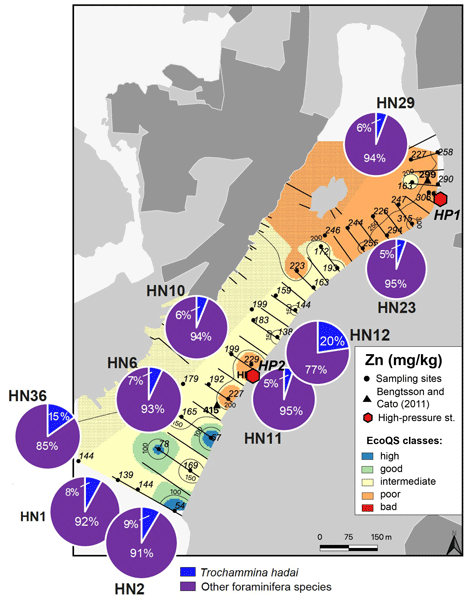
Small boat harbours are suggested to cause pollution and alien species introductions. Here we analysed surface sediments in Hinsholmskilen harbour (Sweden) for benthic foraminifera and potentially toxic elements. Molecular and morphological analyses of foraminifera show the presence of two alien species, Trochammina hadai and Ammonia confertitesta, whilst pollution is mostly low for Cd, Co, Ni, and Pb. In contrast, As, Zn, Cu, Hg, and Cr have high levels due to the use of these elements in boat paints.
Christiane Schmidt, Emmanuelle Geslin, Joan M. Bernhard, Charlotte LeKieffre, Mette Marianne Svenning, Helene Roberge, Magali Schweizer, and Giuliana Panieri
Biogeosciences, 19, 3897–3909, https://doi.org/10.5194/bg-19-3897-2022, https://doi.org/10.5194/bg-19-3897-2022, 2022
Short summary
Short summary
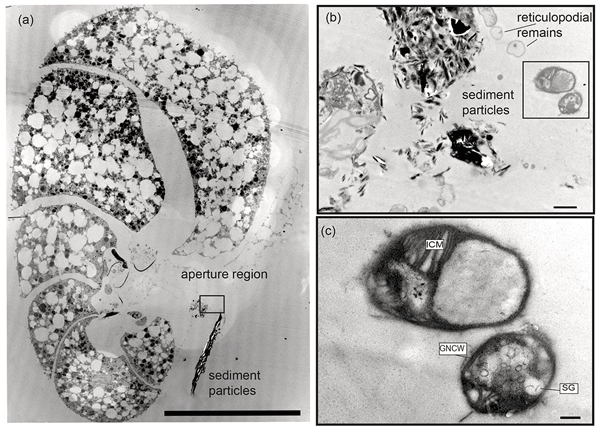
This study is the first to show non-selective deposit feeding in the foraminifera Nonionella labradorica and the possible uptake of methanotrophic bacteria. We carried out a feeding experiment with a marine methanotroph to examine the ultrastructure of the cell and degradation vacuoles using transmission electron microscopy (TEM). The results revealed three putative methanotrophs at the outside of the cell/test, which could be taken up via non-targeted grazing in seeps or our experiment.
Inda Brinkmann, Christine Barras, Tom Jilbert, Tomas Næraa, K. Mareike Paul, Magali Schweizer, and Helena L. Filipsson
Biogeosciences, 19, 2523–2535, https://doi.org/10.5194/bg-19-2523-2022, https://doi.org/10.5194/bg-19-2523-2022, 2022
Short summary
Short summary
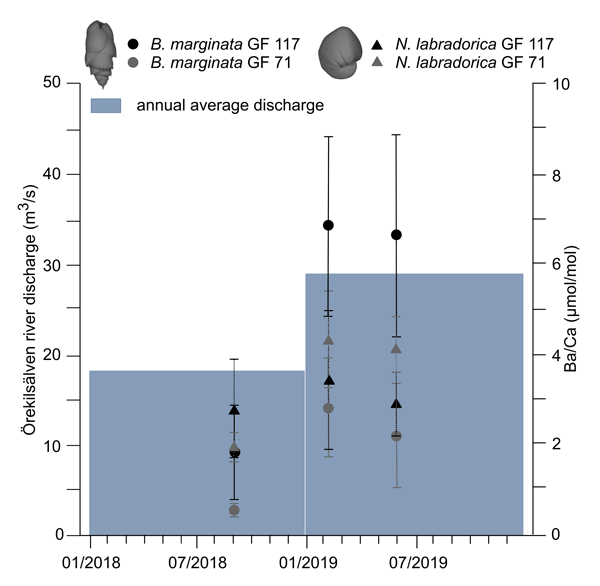
The concentration of the trace metal barium (Ba) in coastal seawater is a function of continental input, such as riverine discharge. Our geochemical records of the severely hot and dry year 2018, and following wet year 2019, reveal that prolonged drought imprints with exceptionally low Ba concentrations in benthic foraminiferal calcium carbonates of coastal sediments. This highlights the potential of benthic Ba / Ca to trace past climate extremes and variability in coastal marine records.
Erica L. Ashe, Nicole S. Khan, Lauren T. Toth, Andrea Dutton, and Robert E. Kopp
Adv. Stat. Clim. Meteorol. Oceanogr., 8, 1–29, https://doi.org/10.5194/ascmo-8-1-2022, https://doi.org/10.5194/ascmo-8-1-2022, 2022
Short summary
Short summary
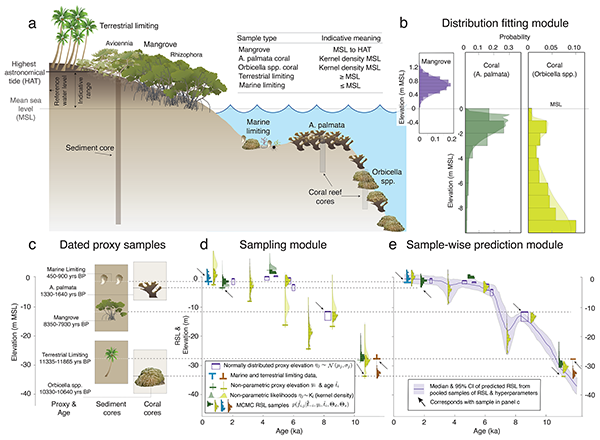
We develop a new technique to integrate realistic uncertainties in probabilistic models of past sea-level change. The new framework performs better than past methods (in precision, accuracy, bias, and model fit) because it enables the incorporation of previously unused data and exploits correlations in the data. This method has the potential to assess the validity of past estimates of extreme sea-level rise and highstands providing better context in which to place current sea-level change.
Cited articles
Alongi, D. M.: Climate change and mangroves, in: Mangroves: biodiversity, livelihoods and conservation, Springer, 175–198, https://doi.org/10.1007/978-981-19-0519-3_8, 2022.
Altschul, S. F., Gish, W., Miller, W., Myers, E. W., and Lipman, D. J.: Basic local alignment search tool, J. Mol. Biol., 215, 403–410, https://doi.org/10.1016/S0022-2836(05)80360-2, 1990.
Alve, E. and Murray, J. W.: Marginal marine environments of the Skagerrak and Kattegat: a baseline study of living (stained) benthic foraminiferal ecology, Palaeogeogr. Palaeocl., 146, 171–193, https://doi.org/10.1016/S0031-0182(98)00131-X, 1999.
Alve, E. and Murray, J. W.: Temporal variability in vertical distributions of live (stained) intertidal foraminifera, southern England, J. Foramin. Res., 31, 12–24, https://doi.org/10.2113/0310012, 2001.
Anderson, M. J.: Permutational multivariate analysis of variance (PERMANOVA), Wiley Statsref: statistics reference online, 15 pp., https://doi.org/10.1002/9781118445112.stat07841, 2014.
Angeles, I. B., Lejzerowicz, F., Cordier, T., Scheplitz, J., Kucera, M., Ariztegui, D., Pawlowski, J., and Morard, R.: Planktonic foraminifera eDNA signature deposited on the seafloor remains preserved after burial in marine sediments, Sci. Rep.-UK, 10, 20351, https://doi.org/10.1038/s41598-020-77179-8, 2020.
Armynot Du Châtelet, É., Bout-Roumazeilles, V., Riboulleau, A., and Trentesaux, A.: Sediment (grain size and clay mineralogy) and organic matter quality control on living benthic foraminifera, Revue de Micropaléontologie, 52, 75–84, https://doi.org/10.1016/j.revmic.2008.10.002, 2009a.
Armynot Du Châtelet, É., Degre, D., Sauriau, P.-G., and Debenay, J.-P.: Distribution of living benthic foraminifera in relation with environmental variables within the Aiguillon cove (Atlantic coast, France): improving knowledge for paleoecological interpretation, B. Soc. Bot. Fr., 180, 131–144, https://doi.org/10.2113/gssgfbull.180.2.131, 2009b.
Armynot Du Châtelet, É., Francescangeli, F., Bouchet, V., and Frontalini, F.: Benthic foraminifera in transitional environments in the English Channel and the southern North Sea: A proxy for regional-scale environmental and paleo-environmental characterisations, Mar. Environ. Res., 137, 37–48, https://doi.org/10.1016/j.marenvres.2018.02.021, 2018.
Ascher, J., Ceccherini, M. T., Pantani, O.-L., Agnelli, A., Borgogni, F., Guerri, G., Nannipieri, P., and Pietramellara, G.: Sequential extraction and genetic fingerprinting of a forest soil metagenome, Appl. Soil. Ecol., 42, 176–181, https://doi.org/10.1016/j.apsoil.2009.03.005, 2009.
Bakker, J., Wangensteen, O. S., Baillie, C., Buddo, D., Chapman, D. D., Gallagher, A. J., Guttridge, T. L., Hertler, H., and Mariani, S.: Biodiversity assessment of tropical shelf eukaryotic communities via pelagic eDNA metabarcoding, Ecol. Evol., 9, 14341–14355, https://doi.org/10.1002/ece3.5871, 2019.
Barnett, R. L., Garneau, M., and Bernatchez, P.: Salt-marsh sea-level indicators and transfer function development for the Magdalen Islands in the Gulf of St. Lawrence, Canada, Mar. Micropaleontol., 122, 13–26, https://doi.org/10.1016/j.marmicro.2015.11.003, 2016.
Berkeley, A., Perry, C., Smithers, S., and Horton, B.: The spatial and vertical distribution of living (stained) benthic foraminifera from a tropical, intertidal environment, north Queensland, Australia, Mar. Micropaleontol., 69, 240–261, https://doi.org/10.1016/j.marmicro.2008.08.002, 2008.
Berkeley, A., Perry, C. T., and Smithers, S. G.: Taphonomic signatures and patterns of test degradation on tropical, intertidal benthic foraminifera, Mar. Micropaleontol., 73, 148–163, https://doi.org/10.1016/j.marmicro.2009.08.002, 2009.
Bista, I., Carvalho, G. R., Walsh, K., Seymour, M., Hajibabaei, M., Lallias, D., Christmas, M., and Creer, S.: Annual time-series analysis of aqueous eDNA reveals ecologically relevant dynamics of lake ecosystem biodiversity, Nat. Commun., 8, 14087, https://doi.org/10.1038/ncomms14087, 2017.
Bouchet, V. M., Frontalini, F., Francescangeli, F., Sauriau, P.-G., Geslin, E., Martins, M. V. A., Almogi-Labin, A., Avnaim-Katav, S., Di Bella, L., and Cearreta, A.: Indicative value of benthic foraminifera for biomonitoring: Assignment to ecological groups of sensitivity to total organic carbon of species from European intertidal areas and transitional waters, Mar. Pollut. Bull., 164, 112071, https://doi.org/10.1016/j.marpolbul.2021.112071, 2021.
Bouillon, S., Koedam, N., Raman, A., and Dehairs, F.: Primary producers sustaining macro-invertebrate communities in intertidal mangrove forests, Oecologia, 130, 441–448, https://doi.org/10.1007/s004420100814, 2002.
Brinkmann, I., Schweizer, M., Singer, D., Quinchard, S., Barras, C., Bernhard, J. M., and Filipsson, H. L.: Through the eDNA looking glass: Responses of fjord benthic foraminiferal communities to contrasting environmental conditions, J. Eukaryot. Microbiol., 70, e12975, https://doi.org/10.1111/jeu.12975, 2023.
Buragohain, D. and Ghosh, A.: Seasonal Distribution Trends of Benthic Foraminiferal Assemblages from the Saurashtra Coast, Western India, J. Geol. Soc. India, 97, 61–69, https://doi.org/10.1007/s12594-021-1626-1, 2021.
Buxton, A. S., Groombridge, J. J., Zakaria, N. B., and Griffiths, R. A.: Seasonal variation in environmental DNA in relation to population size and environmental factors, Sci. Rep.-UK, 7, 46294, https://doi.org/10.1038/srep46294, 2017.
Buzas, M. A.: Spatial homogeneity: statistical analyses of unispecies and multispecies populations of foraminifera, Ecology, 51, 874–879, https://doi.org/10.2307/1933980, 1970.
Buzas, M. A.: Regulation of foraminiferal densities by predation in the Indian River, Florida, J. Foramin. Res., 12, 66–71, https://doi.org/10.2113/gsjfr.12.1.66, 1982.
Buzas, M. A., C Hayek, L.-A., Jett, J. A., and Reed, S. A.: Pulsating patches: History and Analyses of spatial, seasonal, and yearly distribution of living benthic foraminifera, Smithsonian Contributions to Paleobiology, Smithsonian Institution Scholarly Press, https://doi.org/10.5479/si.19436688.97, 2015.
Cahill, N., Kemp, A. C., Horton, B. P., and Parnell, A. C.: A Bayesian hierarchical model for reconstructing relative sea level: from raw data to rates of change, Clim. Past, 12, 525–542, https://doi.org/10.5194/cp-12-525-2016, 2016.
Camp, E. F., Suggett, D. J., Gendron, G., Jompa, J., Manfrino, C., and Smith, D. J.: Mangrove and seagrass beds provide different biogeochemical services for corals threatened by climate change, Frontiers in Marine Science, 3, 52, https://doi.org/10.3389/fmars.2016.00052, 2016.
Carini, P., Marsden, P. J., Leff, J. W., Morgan, E. E., Strickland, M. S., and Fierer, N.: Relic DNA is abundant in soil and obscures estimates of soil microbial diversity, Nat. Microbiol., 2, 1–6, https://doi.org/10.1038/nmicrobiol.2016.242, 2016.
Caro, D. M., Horstmann, L., Ganzert, L., Oses, R., Friedl, T., and Wagner, D.: An improved method for intracellular DNA (iDNA) recovery from terrestrial environments, MicrobiologyOpen, 12, e1369, https://doi.org/10.1002/mbo3.1369, 2023.
Chen, J., Zhou, Z., and Gu, J.-D.: Seasonal variations of n-damo bacterial community in the subtropical Mai Po mangrove wetland of Hong Kong, Int. Biodeter. Biodegr., 175, 105503, https://doi.org/10.1016/j.ibiod.2022.105503, 2022.
Chung, A., Kam, Y., Shea, S. K., and Schunter, C.: Detecting Fish Diversity in Urban-Impacted Ecosystems: A Comparative Approach of eDNA Metabarcoding and UVC, Environmental DNA, 6, e70048, https://doi.org/10.1002/edn3.70048, 2024.
Debenay, J.-P., Bicchi, E., Goubert, E., and Du Châtelet, E. A.: Spatio-temporal distribution of benthic foraminifera in relation to estuarine dynamics (Vie estuary, Vendée, W France), Estuar. Coast. Shelf S., 67, 181–197, https://doi.org/10.1016/j.ecss.2005.11.014, 2006.
Ding, Y. and Chan, J. C.: The East Asian summer monsoon: an overview, Meteorol. Atmos. Phys., 89, 117–142, https://doi.org/10.1007/s00703-005-0125-z, 2005.
Dong, S., Lei, Y., Li, T., and Jian, Z.: Responses of benthic foraminifera to changes of temperature and salinity: Results from a laboratory culture experiment, Science China Earth Sciences, 62, 459–472, https://doi.org/10.1007/s11430-017-9269-3, 2019.
Dong, S., Lei, Y., Li, T., and Jian, Z.: Response of benthic foraminifera to pH changes: Community structure and morphological transformation studies from a microcosm experiment, Mar. Micropaleontol., 156, 101819, https://doi.org/10.1016/j.marmicro.2019.101819, 2020.
Edwards, R. and Horton, B.: Reconstructing relative sea-level change using UK salt-marsh foraminifera, Mar. Geol., 169, 41–56, https://doi.org/10.1016/S0025-3227(00)00078-5, 2000.
Eichmiller, J. J., Best, S. E., and Sorensen, P. W.: Effects of temperature and trophic state on degradation of environmental DNA in lake water, Environ. Sci. Technol., 50, 1859–1867, https://doi.org/10.1021/acs.est.5b05672, 2016.
Ellegaard, M., Clokie, M. R., Czypionka, T., Frisch, D., Godhe, A., Kremp, A., Letarov, A., McGenity, T. J., Ribeiro, S., and John Anderson, N.: Dead or alive: sediment DNA archives as tools for tracking aquatic evolution and adaptation, Communications Biology, 3, 169, https://doi.org/10.1038/s42003-020-0899-z, 2020.
Fatela, F. and Taborda, R.: Confidence limits of species proportions in microfossil assemblages, Mar. Micropaleontol., 45, 169–174, https://doi.org/10.1016/S0377-8398(02)00021-X, 2002.
Fontanier, C., Jorissen, F., Chaillou, G., David, C., Anschutz, P., and Lafon, V.: Seasonal and interannual variability of benthic foraminiferal faunas at 550 m depth in the Bay of Biscay, Deep-Sea Res. Pt. I, 50, 457–494, https://doi.org/10.1016/S0967-0637(02)00167-X, 2003.
Fouet, M. P., Schweizer, M., Singer, D., Richirt, J., Quinchard, S., and Jorissen, F. J.: Unravelling the distribution of three Ammonia species (Foraminifera, Rhizaria) in French Atlantic Coast estuaries using morphological and metabarcoding approaches, Mar. Micropaleontol., 188, 102353, https://doi.org/10.1016/j.marmicro.2024.102353, 2024.
Frontalini, F., Buosi, C., Da Pelo, S., Coccioni, R., Cherchi, A., and Bucci, C.: Benthic foraminifera as bio-indicators of trace element pollution in the heavily contaminated Santa Gilla lagoon (Cagliari, Italy), Mar. Pollut. Bull., 58, 858–877, https://doi.org/10.1016/j.marpolbul.2009.01.015, 2009.
Fukumoto, S., Ushimaru, A., and Minamoto, T.: A basin-scale application of environmental DNA assessment for rare endemic species and closely related exotic species in rivers: A case study of giant salamanders in Japan, J. Appl. Ecol., 52, 358–365, https://doi.org/10.1111/1365-2664.12392, 2015.
Galili, T., O'Callaghan, A., Sidi, J., and Sievert, C.: heatmaply: an R package for creating interactive cluster heatmaps for online publishing, Bioinformatics, 34, 1600–1602, https://doi.org/10.1093/bioinformatics/btx657, 2018.
Gloor, G. B., Macklaim, J. M., Pawlowsky-Glahn, V., and Egozcue, J. J.: Microbiome datasets are compositional: and this is not optional, Front. Microbiol., 8, 2224, https://doi.org/10.3389/fmicb.2017.02224, 2017.
Goldberg, C. S., Pilliod, D. S., Arkle, R. S., and Waits, L. P.: Molecular detection of vertebrates in stream water: a demonstration using Rocky Mountain tailed frogs and Idaho giant salamanders, PLOS One, 6, e22746, https://doi.org/10.1371/journal.pone.0022746, 2011.
Goldstein, S. T. and Alve, E.: Experimental assembly of foraminiferal communities from coastal propagule banks, Mar. Ecol. Prog. Ser., 437, 1–11, https://doi.org/10.3354/meps09296, 2011.
Gu, S., Deng, Y., Wang, P., Li, C., Shi, D., and Wang, S.: Assessing riverine fish community diversity and stability by eDNA metabarcoding, Ecol. Indic., 157, 111222, https://doi.org/10.1016/j.ecolind.2023.111222, 2023.
Harrison, J. B., Sunday, J. M., and Rogers, S. M.: Predicting the fate of eDNA in the environment and implications for studying biodiversity, P. Roy. Soc. B-Biol. Sci., 286, 20191409, https://doi.org/10.1098/rspb.2019.1409, 2019.
Hawkes, A. D., Horton, B., Nelson, A., and Hill, D.: The application of intertidal foraminifera to reconstruct coastal subsidence during the giant Cascadia earthquake of AD 1700 in Oregon, USA, Quatern. Int., 221, 116–140, https://doi.org/10.1016/j.quaint.2009.09.019, 2010.
Hayward, B. W., Grenfell, H., Cairns, G., and Smith, A.: Environmental controls on benthic foraminiferal and thecamoebian associations in a New Zealand tidal inlet, J. Foramin. Res., 26, 150–171, https://doi.org/10.2113/gsjfr.26.2.150, 1996.
He, X., Sutherland, T. F., Pawlowski, J., and Abbott, C. L.: Responses of foraminifera communities to aquaculture-derived organic enrichment as revealed by environmental DNA metabarcoding, Mol. Ecol., 28, 1138–1153, https://doi.org/10.1111/mec.15007, 2019.
Henderson, Z.: Soft-walled monothalamid foraminifera from the intertidal zones of the Lorn area, north-west Scotland, J. Mar. Biol. Assoc. UK, 103, e18, https://doi.org/10.1017/S0025315423000061, 2023.
Hippensteel, S. P., Martin, R. E., Nikitina, D., and Pizzuto, J. E.: Interannual variation of marsh foraminiferal assemblages (Bombay Hook National Wildlife Refuge, Smyrna, DE): Do foraminiferal assemblages have a memory?, J. Foramin. Res., 32, 97–109, https://doi.org/10.2113/0320097, 2002.
Hong Kong Observatory: Summary of Meteorological and Tidal Observations on Hong Kong, https://www.hko.gov.hk/en/publica/pubsmo.htm (last access: 30 September 2025), 2025.
Horton, B.: The distribution of contemporary intertidal foraminifera at Cowpen Marsh, Tees Estuary, UK: implications for studies of Holocene sea-level changes, Palaeogeogr. Palaeocl., 149, 127–149, https://doi.org/10.1016/S0031-0182(98)00197-7, 1999.
Horton, B. P. and Culver, S. J.: Modern intertidal foraminifera of the Outer Banks, North Carolina, USA, and their applicability for sea-level studies, J. Coastal Res., 24, 1110–1125, https://doi.org/10.2112/08A-0004.1, 2008.
Horton, B. P. and Edwards, R. J.: Seasonal distributions of foraminifera and their implications for sea-level studies, Cowpen Marsh, UK, https://doi.org/10.2110/pec.03.75.0021, 2003.
Horton, B. P. and Edwards, R. J.: Quantifying Holocene sea level change using intertidal foraminifera: lessons from the British Isles, Departmental Papers (EES), Cushman Foundation for foraminiferal research, 50 pp., https://repository.upenn.edu/ees_papers/50 (last access: 8 July 2026), 2006.
Horton, B. P. and Murray, J. W.: Patterns in cumulative increase in live and dead species from foraminiferal time series of Cowpen Marsh, Tees Estuary, UK: Implications for sea-level studies, Mar. Micropaleontol., 58, 287–315, https://doi.org/10.1016/j.marmicro.2005.10.006, 2006.
Ji, H., Pan, S., and Chen, S.: Impact of river discharge on hydrodynamics and sedimentary processes at Yellow River Delta, Mar. Geol., 425, 106210, https://doi.org/10.1016/j.margeo.2020.106210, 2020.
Jorissen, F. J., Fouet, M. P., Singer, D., and Howa, H.: The marine influence index (MII): a tool to assess estuarine intertidal mudflat environments for the purpose of foraminiferal biomonitoring, Water, 14, 676, https://doi.org/10.3390/w14040676, 2022.
Kaminski, M. A., Amao, A., Babalola, L., Khamsin, A. B., Fiorini, F., Garrison, A. M., Gull, H. M., Johnson, R. L., Tawabini, B., and Frontalini, F.: Substrate temperature as a primary control on meiofaunal populations in the intertidal zone: A dead zone attributed to elevated summer temperatures in eastern Bahrain, Regional Studies in Marine Science, 42, 101611, https://doi.org/10.1016/j.rsma.2021.101611, 2021.
Kemp, A. C. and Telford, R. J.: Transfer functions, in: Handbook of sea-level research, Transfer functions, Wiley, 470–499, https://doi.org/10.1002/9781118452547, 2015.
Kemp, A. C., Horton, B. P., and Culver, S. J.: Distribution of modern salt-marsh foraminifera in the Albemarle–Pamlico estuarine system of North Carolina, USA: Implications for sea-level research, Mar. Micropaleontol., 72, 222–238, https://doi.org/10.1016/j.marmicro.2009.06.002, 2009.
Kemp, A. C., Buzas, M. A., Horton, B. P., and Culver, S. J.: Influence of patchiness on modern salt-marsh foraminifera used in sea-level studies (North Carolina, USA), J. Foramin. Res., 41, 114–123, https://doi.org/10.2113/gsjfr.41.2.114, 2011.
Kemp, A. C., Horton, B. P., Vann, D. R., Engelhart, S. E., Pre, C. A. G., Vane, C. H., Nikitina, D., and Anisfeld, S. C.: Quantitative vertical zonation of salt-marsh foraminifera for reconstructing former sea level; an example from New Jersey, USA, Quaternary Sci. Rev., 54, 26–39, https://doi.org/10.1016/j.quascirev.2011.09.014, 2012.
Kemp, A. C., Telford, R. J., Horton, B. P., Anisfeld, S. C., and Sommerfield, C. K.: Reconstructing Holocene sea level using salt-marsh foraminifera and transfer functions: lessons from New Jersey, USA, J. Quaternary Sci., 28, 617–629, https://doi.org/10.1002/jqs.2657, 2013.
Khan, N. S., Ashe, E., Horton, B. P., Dutton, A., Kopp, R. E., Brocard, G., Engelhart, S. E., Hill, D. F., Peltier, W., and Vane, C. H.: Drivers of Holocene sea-level change in the Caribbean, Quaternary Sci. Rev., 155, 13–36, https://doi.org/10.1016/j.quascirev.2016.08.032, 2017.
Koukousioura, O., Dimiza, M. D., Triantaphyllou, M. V., and Hallock, P.: Living benthic foraminifera as an environmental proxy in coastal ecosystems: A case study from the Aegean Sea (Greece, NE Mediterranean), J. Marine Syst., 88, 489–501, https://doi.org/10.1016/j.jmarsys.2011.06.004, 2011.
Lance, R. F., Klymus, K. E., Richter, C. A., Farrington, H. L., Carr, M. R., Thompson, N., Chapman, D. C., and Baerwaldt, K. L.: Experimental observations on the decay of environmental DNA from bighead and silver carps, Management of Biological Invasions, 8, https://doi.org/10.3391/mbi.2017.8.3.08, 2017.
Langlet, D., Bouchet, V. M., Riso, R., Matsui, Y., Suga, H., Fujiwara, Y., and Nomaki, H.: Foraminiferal ecology and role in nitrogen benthic cycle in the hypoxic southeastern Bering Sea, Frontiers in Marine Science, 7, 582818, https://doi.org/10.3389/fmars.2020.582818, 2020.
Le Cadre, V. R., Debenay, J.-P., and Lesourd, M.: Low pH effects on Ammonia beccarii test deformation: implications for using test deformations as a pollution indicator, J. Foramin. Res., 33, 1–9, https://doi.org/10.2113/0330001, 2003.
Lee, S.: Carbon dynamics of Deep Bay, eastern Pearl River estuary, China. II: Trophic relationship based on carbon-and nitrogen-stable isotopes, Mar. Ecol. Prog. Ser., 205, 1–10, https://doi.org/10.3354/meps205001, 2000.
Legendre, P. and Gallagher, E. D.: Ecologically meaningful transformations for ordination of species data, Oecologia, 129, 271–280, https://doi.org/10.1007/S004420100716, 2001.
Lei, Y., Li, T., Jian, Z., and Nigam, R.: Taxonomy and distribution of benthic foraminifera in an intertidal zone of the Yellow Sea, PR China: Correlations with sediment temperature and salinity, Mar. Micropaleontol., 133, 1–20, https://doi.org/10.1016/j.marmicro.2017.04.005, 2017.
Lejzerowicz, F., Esling, P., Majewski, W., Szczuciński, W., Decelle, J., Obadia, C., Arbizu, P. M., and Pawlowski, J.: Ancient DNA complements microfossil record in deep-sea subsurface sediments, Biology Lett., 9, 20130283, https://doi.org/10.1098/rsbl.2013.0283, 2013.
Lejzerowicz, F., Esling, P., and Pawlowski, J.: Patchiness of deep-sea benthic Foraminifera across the Southern Ocean: Insights from high-throughput DNA sequencing, Deep-Sea Res Pt. II, 108, 17–26, https://doi.org/10.1016/j.dsr2.2014.07.018, 2014.
Li, M., Cao, H., Hong, Y.-G., and Gu, J.-D.: Seasonal Dynamics of Anammox Bacteria in Estuarial Sediment of the Mai Po Nature Reserve Revealed by Analyzing the 16S rRNA and Hydrazine Oxidoreductase (hzo) Genes, Microbes Environ., 26, 15–22, https://doi.org/10.1264/jsme2.ME10131, 2011.
Li, Q., Wong, F. K. K., and Fung, T.: Classification of mangrove species using combined WordView-3 and LiDAR data in Mai Po nature reserve, Hong Kong, Remote Sensing, 11, 2114, https://doi.org/10.3390/rs11182114, 2019.
Li, Q., Lei, Y., Li, H., and Li, T.: Distinct responses of abundant and rare foraminifera to environmental variables in the Antarctic region revealed by DNA metabarcoding, Frontiers in Marine Science, 10, 1089482, https://doi.org/10.3389/fmars.2023.1089482, 2023.
Liu, Z., Khan, N. S., Yu, H. K., Chung, A., Schweizer, M., and Schunter, C.: Foraminiferal environmental DNA reveals late Holocene sea-level changes, Commun. Earth Environ., 6, 1029, https://doi.org/10.1038/s43247-025-03001-w, 2025.
Lombard, F., Labeyrie, L., Michel, E., Spero, H. J., and Lea, D. W.: Modelling the temperature dependent growth rates of planktic foraminifera, Mar. Micropaleontol., 70, 1–7, https://doi.org/10.1016/j.marmicro.2008.09.004, 2009.
Luke, S. G.: Evaluating significance in linear mixed-effects models in R, Behav. Res. Methods, 49, 1494–1502, https://doi.org/10.3758/s13428-016-0809-y, 2017.
Martin, M.: Cutadapt removes adapter sequences from high-throughput sequencing reads, EMBnet. Journal, 17, 10–12, https://doi.org/10.14806/ej.17.1.200, 2011.
Matsuoka, S., Sugiyama, Y., Shimono, Y., Ushio, M., and Doi, H.: Evaluation of seasonal dynamics of fungal DNA assemblages in a flow-regulated stream in a restored forest using eDNA metabarcoding, Environ. Microbiol., 23, 4797–4806, https://doi.org/10.1111/1462-2920.15669, 2021.
Montagu, G.: Supplement to Testacea Britannica with Additional Plates, Woolmer, Exeter, 183 pp., pl. 17–30, https://www.worldcat.org/oclc/230717662 (last access: 8 July 2026), 1808.
Murray, J. W.: Ecology and applications of benthic foraminifera, Cambridge university press, https://doi.org/10.1017/CBO9780511535529, 2006.
Murray, J. W. and Alve, E.: Major aspects of foraminiferal variability (standing crop and biomass) on a monthly scale in an intertidal zone, J. Foramin. Res., 30, 177–191, https://doi.org/10.2113/0300177, 2000.
Nagler, M., Podmirseg, S. M., Ascher-Jenull, J., Sint, D., and Traugott, M.: Why eDNA fractions need consideration in biomonitoring, Mol. Ecol. Resour., 22, 2458–2470, https://doi.org/10.1111/1755-0998.13658, 2022.
Nagler, M., Podmirseg, S. M., Griffith, G. W., Insam, H., and Ascher-Jenull, J.: The use of extracellular DNA as a proxy for specific microbial activity, Appl. Microbiol. Biot., 102, 2885–2898, 2018.
Nagler, M., Podmirseg, S. M., Mayr, M., Ascher-Jenull, J., and Insam, H.: The masking effect of extracellular DNA and robustness of intracellular DNA in anaerobic digester NGS studies: A discriminatory study of the total DNA pool, Mol. Ecol., 30, 438–450, https://doi.org/10.1111/mec.15740, 2021.
Nevers, M. B., Przybyla-Kelly, K., Shively, D., Morris, C. C., Dickey, J., and Byappanahalli, M. N.: Influence of sediment and stream transport on detecting a source of environmental DNA, PLOS One, 15, e0244086, https://doi.org/10.1371/journal.pone.0244086, 2020.
Nichols, R. V., Vollmers, C., Newsom, L. A., Wang, Y., Heintzman, P. D., Leighton, M., Green, R. E., and Shapiro, B.: Minimizing polymerase biases in metabarcoding, Mol. Ecol. Resour., 18, 927–939, https://doi.org/10.1111/1755-0998.12895, 2018.
Oksanen, J., Kindt, R., Legendre, P., O'Hara, B., Stevens, M. H. H., Oksanen, M. J., and Suggests, M.: The vegan package, Community Ecology Package, 10, 719, https://doi.org/10.1007/s10531-005-0311-9, 2007.
Patterson, R. T. and Fishbein, E.: Re-examination of the statistical methods used to determine the number of point counts needed for micropaleontological quantitative research, J. Paleontol., 63, 245–248, https://doi.org/10.1017/S0022336000019272, 1989.
Pawłowska, J., Lejzerowicz, F., Esling, P., Szczuciński, W., Zajączkowski, M., and Pawlowski, J.: Ancient DNA sheds new light on the Svalbard foraminiferal fossil record of the last millennium, Geobiology, 12, 277–288, https://doi.org/10.1111/gbi.12087, 2014.
Pawlowski, J., Esling, P., Lejzerowicz, F., Cedhagen, T., and Wilding, T. A.: Environmental monitoring through protist next-generation sequencing metabarcoding: assessing the impact of fish farming on benthic foraminifera communities, Mol. Ecol. Resour., 14, 1129–1140, https://doi.org/10.1111/1755-0998.12261, 2014.
Pawlowski, J., Esling, P., Lejzerowicz, F., Cordier, T., Visco, J. A., Martins, C. I., Kvalvik, A., Staven, K., and Cedhagen, T.: Benthic monitoring of salmon farms in Norway using foraminiferal metabarcoding, Aquacult. Env. Interac., 8, 371–386, https://doi.org/10.3354/aei00182, 2016.
Pearman, J. K., Biessy, L., Howarth, J. D., Vandergoes, M. J., Rees, A., and Wood, S. A.: Deciphering the molecular signal from past and alive bacterial communities in aquatic sedimentary archives, Mol. Ecol. Resour., 22, 877–890, https://doi.org/10.1111/1755-0998.13515, 2022.
Peres-Neto, P. R., Legendre, P., Dray, S., and Borcard, D.: Variation partitioning of species data matrices: estimation and comparison of fractions, Ecology, 87, 2614–2625, https://doi.org/10.1890/0012-9658(2006)87[2614:VPOSDM]2.0.CO;2, 2006.
Piña-Ochoa, E., Høgslund, S., Geslin, E., Cedhagen, T., Revsbech, N. P., Nielsen, L. P., Schweizer, M., Jorissen, F., Rysgaard, S., and Risgaard-Petersen, N.: Widespread occurrence of nitrate storage and denitrification among Foraminifera and Gromiida, P. Natl. Acad. Sci. USA, 107, 1148–1153, https://doi.org/10.1073/pnas.0908440107, 2010.
Pochon, X., Zaiko, A., Fletcher, L. M., Laroche, O., and Wood, S. A.: Wanted dead or alive? Using metabarcoding of environmental DNA and RNA to distinguish living assemblages for biosecurity applications, PLOS One, 12, e0187636, https://doi.org/10.1371/journal.pone.0187636, 2017.
Prazeres, M. and Pandolfi, J. M.: Effects of elevated temperature on the shell density of the large benthic Foraminifera Amphistegina lobifera, J. Eukaryot. Microbiol., 63, 786–793, https://doi.org/10.1111/jeu.12325, 2016.
Richirt, J., Riedel, B., Mouret, A., Schweizer, M., Langlet, D., Seitaj, D., Meysman, F. J. R., Slomp, C. P., and Jorissen, F. J.: Foraminiferal community response to seasonal anoxia in Lake Grevelingen (the Netherlands), Biogeosciences, 17, 1415–1435, https://doi.org/10.5194/bg-17-1415-2020, 2020.
Risgaard-Petersen, N., Langezaal, A. M., Ingvardsen, S., Schmid, M. C., Jetten, M. S., Op den Camp, H. J., Derksen, J. W., Pina-Ochoa, E., Eriksson, S. P., and Peter Nielsen, L.: Evidence for complete denitrification in a benthic foraminifer, Nature, 443, 93–96, https://doi.org/10.1038/nature05070, 2006.
Rognes, T., Flouri, T., Nichols, B., Quince, C., and Mahé, F.: VSEARCH: a versatile open source tool for metagenomics, PeerJ, 4, e2584, https://doi.org/10.7717/peerj.2584, 2016.
Romano, E., Bergamin, L., Di Bella, L., Frezza, V., Pierfranceschi, G., Marassich, A., and Provenzani, C.: Benthic foraminifera as environmental indicators in extreme environments: The marine cave of Bue Marino (Sardinia, Italy), Ecol. Indic., 120, 106977, https://doi.org/10.1016/j.ecolind.2020.106977, 2021.
Rush, G., McDarby, P., Edwards, R., Milker, Y., Garrett, E., and Gehrels, W. R.: Development of an intertidal foraminifera training set for the North Sea and an assessment of its application for Holocene sea-level reconstructions, Mar. Micropaleontol., 169, 102055, https://doi.org/10.1016/j.marmicro.2021.102055, 2021.
Sawai, Y., Horton, B. P., Kemp, A. C., Hawkes, A. D., Nagumo, T., and Nelson, A. R.: Relationships between diatoms and tidal environments in Oregon and Washington, USA, Diatom Res., 31, 17–38, https://doi.org/10.1080/0269249X.2015.1126359, 2016.
Schönfeld, J., Alve, E., Geslin, E., Jorissen, F., Korsun, S., and Spezzaferri, S.: The FOBIMO (FOraminiferal BIo-MOnitoring) initiative – Towards a standardised protocol for soft-bottom benthic foraminiferal monitoring studies, Mar. Micropaleontol., 94, 1–13, https://doi.org/10.1016/j.marmicro.2012.06.001, 2012.
Schweizer, M.: How long after death is DNA preserved in situ in intertidal foraminifera?, J. Micropalaeontol., 34, 217–219, https://doi.org/10.1144/jmpaleo2014-023, 2015.
Scott, D. and Medioli, F.: Vertical zonations of marsh foraminifera as accurate indicators of former sea-levels, Nature, 272, 528–531, https://doi.org/10.1038/272528a0, 1978.
Scott, D. B., Medioli, F. S., and Schafer, C. T.: Monitoring in coastal environments using foraminifera and thecamoebian indicators, Cambridge University Press, https://doi.org/10.1017/CBO9780511546020, 2007.
Singer, D., Fouet, M. P., Schweizer, M., Mouret, A., Quinchard, S., and Jorissen, F. J.: Unlocking foraminiferal genetic diversity on estuarine mudflats with eDNA metabarcoding, Sci Total. Environ., 902, 165983, https://doi.org/10.1016/j.scitotenv.2023.165983, 2023.
Smith, K. E., Terrano, J. F., Khan, N. S., Smith, C. G., and Pitchford, J. L.: Lateral shoreline erosion and shore-proximal sediment deposition on a coastal marsh from seasonal, storm and decadal measurements, Geomorphology, 389, 107829, https://doi.org/10.1016/j.geomorph.2021.107829, 2021.
Spear, S. F., Groves, J. D., Williams, L. A., and Waits, L. P.: Using environmental DNA methods to improve detectability in a hellbender (Cryptobranchus alleganiensis) monitoring program, Biol. Conserv., 183, 38–45, https://doi.org/10.1016/j.biocon.2014.11.016, 2015.
Spearman, C.: The proof and measurement of association between two things, Int. J. Epidemiol., 39, 1137–1150, https://doi.org/10.1093/ije/dyq191, 2010.
Strickler, K. M., Fremier, A. K., and Goldberg, C. S.: Quantifying effects of UV-B, temperature, and pH on eDNA degradation in aquatic microcosms, Biol. Conserv., 183, 85–92, https://doi.org/10.1016/j.biocon.2014.11.038, 2015.
Sun, Y., Xing, J., Zong, Y., and Hong, G.: Coastal responses and shoreline restoration after Holocene sea-level changes in Hong Kong, China, in: Hydraulic Engineering V, CRC Press, 115–120, https://doi.org/10.1201/9781351241571, 2017.
Tan, F., Khan, N. S., Li, T., Meltzner, A. J., Majewski, J., Chan, N., Chutcharavan, P. M., Cahill, N., Vacchi, M., and Peng, D.: Holocene relative sea-level histories of far-field islands in the mid-Pacific, Quaternary Sci. Rev., 310, 107995, https://doi.org/10.1016/j.quascirev.2023.107995, 2023.
Torti, A., Jørgensen, B. B., and Lever, M. A.: Preservation of microbial DNA in marine sediments: insights from extracellular DNA pools, Environ. Microbiol., 20, 4526–4542, https://doi.org/10.1111/1462-2920.14401, 2018.
Troth, C. R., Sweet, M. J., Nightingale, J., and Burian, A.: Seasonality, DNA degradation and spatial heterogeneity as drivers of eDNA detection dynamics, Sci. Total Environ., 768, 144466, https://doi.org/10.1016/j.scitotenv.2020.144466, 2021.
Urabe, H., Mizumoto, H., Tsuda-Yamaguchi, F., and Araki, H.: Spatial heterogeneity of eDNA concentration as a predictor of small biomass of fish in a mountain stream, Limnology, 26, 223–233, https://doi.org/10.1007/s10201-024-00772-7, 2025.
Walker, J. S., Cahill, N., Khan, N. S., Shaw, T. A., Barber, D., Miller, K. G., Kopp, R. E., and Horton, B. P.: Incorporating temporal and spatial variability of salt-marsh foraminifera into sea-level reconstructions, Mar. Geol., 429, 106293, https://doi.org/10.1016/j.margeo.2020.106293, 2020.
Wang, Y.-F., Feng, Y.-Y., Ma, X., and Gu, J.-D.: Seasonal dynamics of ammonia/ammonium-oxidizing prokaryotes in oxic and anoxic wetland sediments of subtropical coastal mangrove, Appl. Microbiol. Biotechnol., 97, 7919–7934, https://doi.org/10.1007/s00253-012-4510-5, 2013.
Welch, W. J.: Construction of permutation tests, J. Am. Stat. Assoc., 85, 693–698, https://doi.org/10.1080/01621459.1990.10474929, 1990.
Wood, S. A., Biessy, L., Latchford, J. L., Zaiko, A., von Ammon, U., Audrezet, F., Cristescu, M. E., and Pochon, X.: Release and degradation of environmental DNA and RNA in a marine system, Sci. Total Environ., 704, 135314, https://doi.org/10.1016/j.scitotenv.2019.135314, 2020.
Woodroffe, S. A., Horton, B. P., Larcombe, P., and Whittaker, J. E.: Intertidal mangrove foraminifera from the central Great Barrier Reef shelf, Australia: implications for sea-level reconstruction, J. Foramin. Res., 35, 259–270, https://doi.org/10.2113/35.3.259, 2005.
WWF: Mai Po Nature Reserve and the Ramsar Convention, WWF Hong Kong, https://www.wwf.org.hk/en/resources/publications/ (last access: 30 Septemeber 2025), 2020.
Xiong, H., Zong, Y., Qian, P., Huang, G., and Fu, S.: Holocene sea-level history of the northern coast of South China Sea, Quaternary Sci. Rev., 194, 12–26, https://doi.org/10.1016/j.quascirev.2018.06.022, 2018.
Youssef, M., El-Sorogy, A., Al-Kahtany, K., and Saleh, M.: Benthic foraminifera as bio-indicators of coastal marine environmental contamination in the Red Sea-Gulf of Aqaba, Saudi Arabia, B. Environ. Contam. Tox., 106, 1033–1043, https://doi.org/10.1007/s00128-021-03192-w, 2021.
Yu, H. K. Y., Khan, N. S., Desianti, N., Garrett, E., Planavsky, N. J., and Ahmed, A.: The utility of mangrove foraminifera, diatoms, and stable carbon isotope and
Yu, S., Luo, Y., Wu, C., and Xu, W.: Subseasonal variations of convective and microphysical characteristics of extreme precipitation over the Pearl River Delta at monsoon coast, J. Geophys. Res.-Atmos., 128, e2022JD037804, https://doi.org/10.1029/2022JD037804, 2023.
Zhang, J., Kobert, K., Flouri, T., and Stamatakis, A.: PEAR: a fast and accurate Illumina Paired-End reAd mergeR, Bioinformatics, 30, 614–620, https://doi.org/10.1093/bioinformatics/btt593, 2014.
Short summary
We studied how genetic material from foraminifera in Hong Kong mangroves and mudflats varies through seasons and how this affects records of past sea levels. Over 2 years, communities in mangroves were relatively stable, allowing accurate estimates of elevation relative to the sea. The mudflat–mangrove transitional zone changed with season, causing biased estimates. Mangroves are therefore more accurate than mudflats for tracking past sea-level change.
We studied how genetic material from foraminifera in Hong Kong mangroves and mudflats varies...


